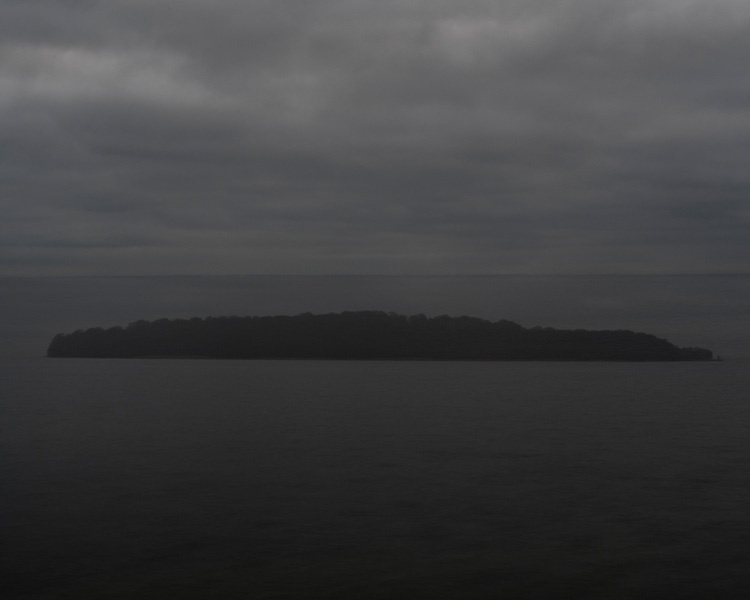
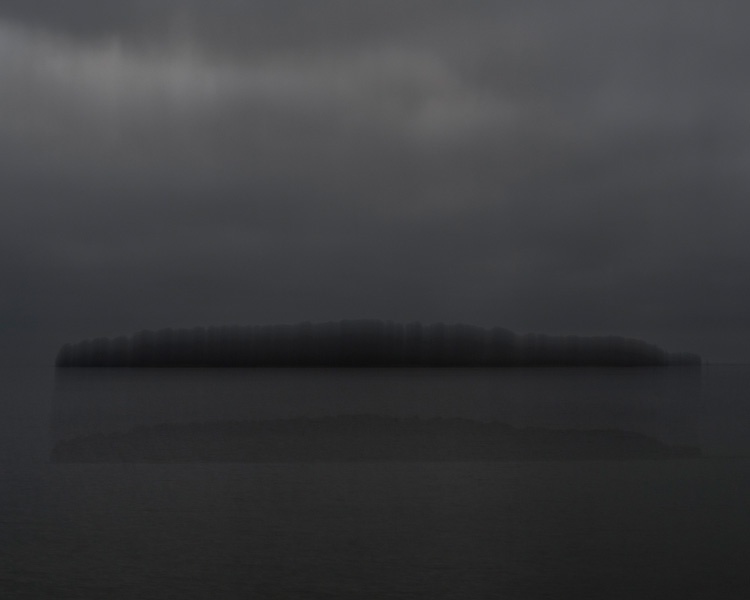
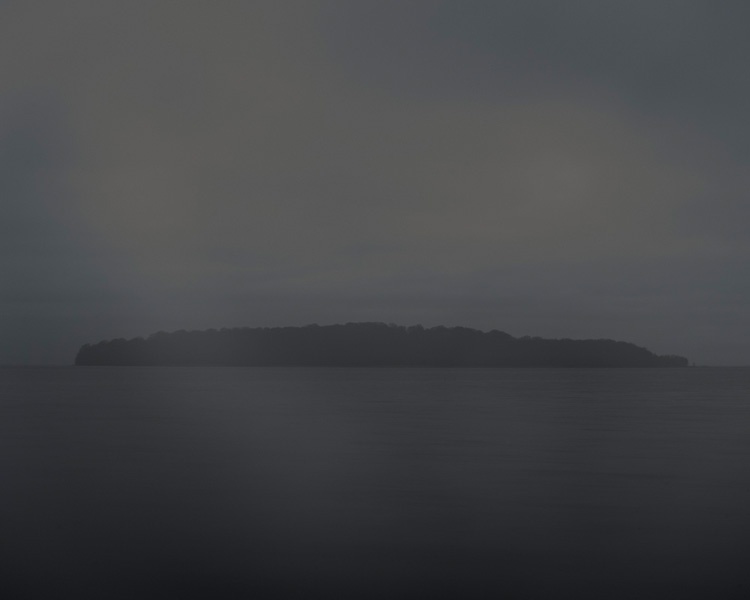
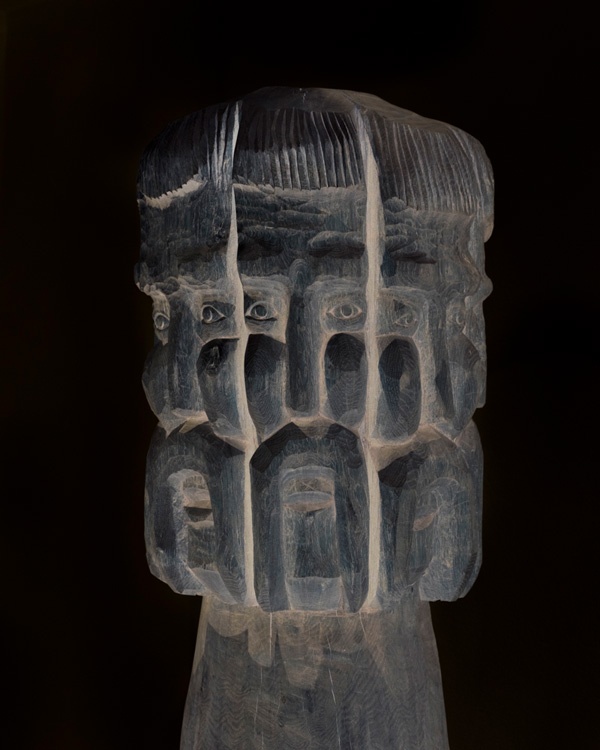
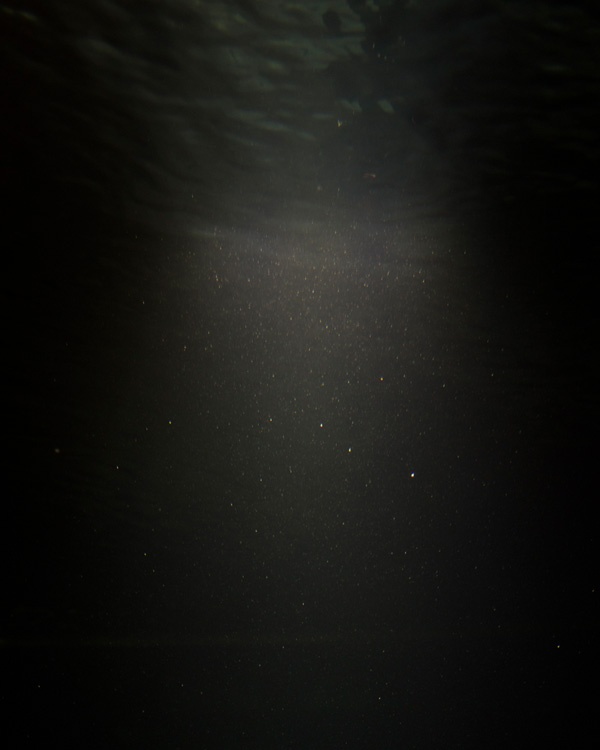
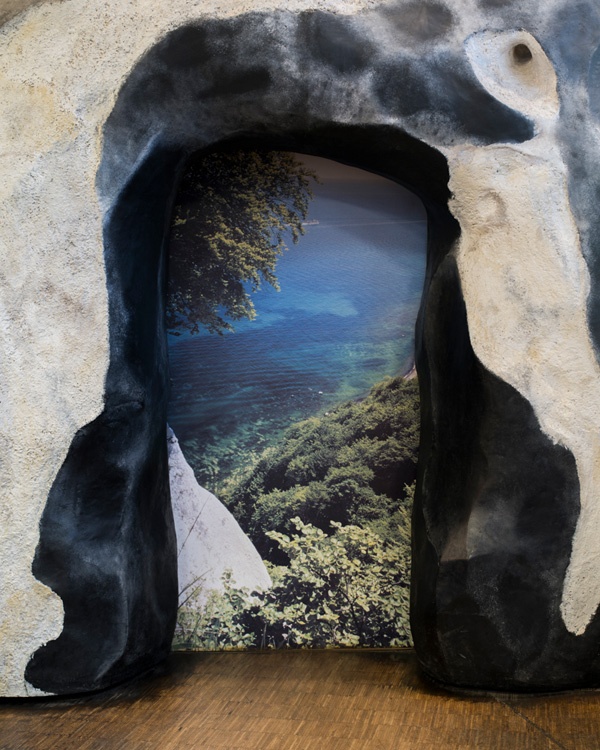
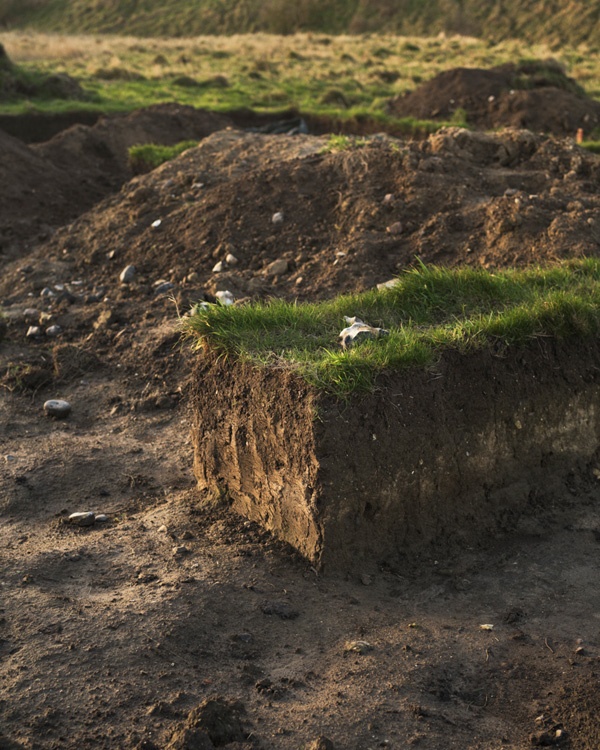
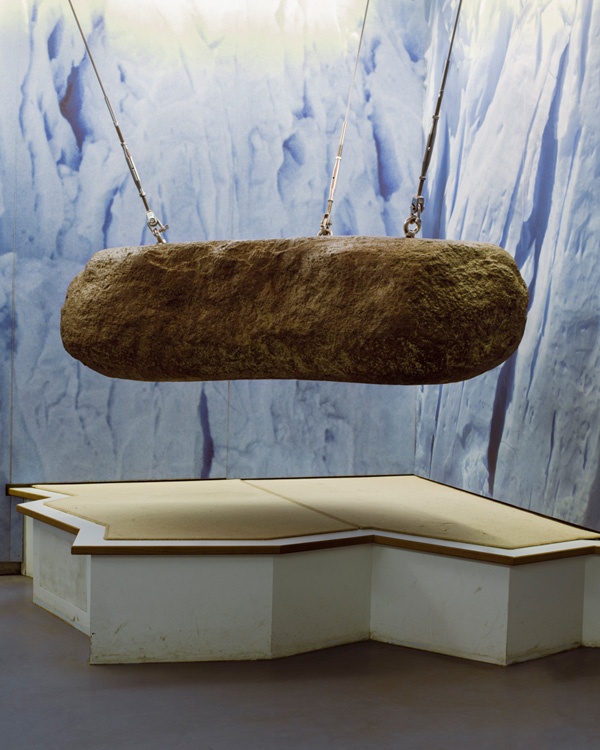
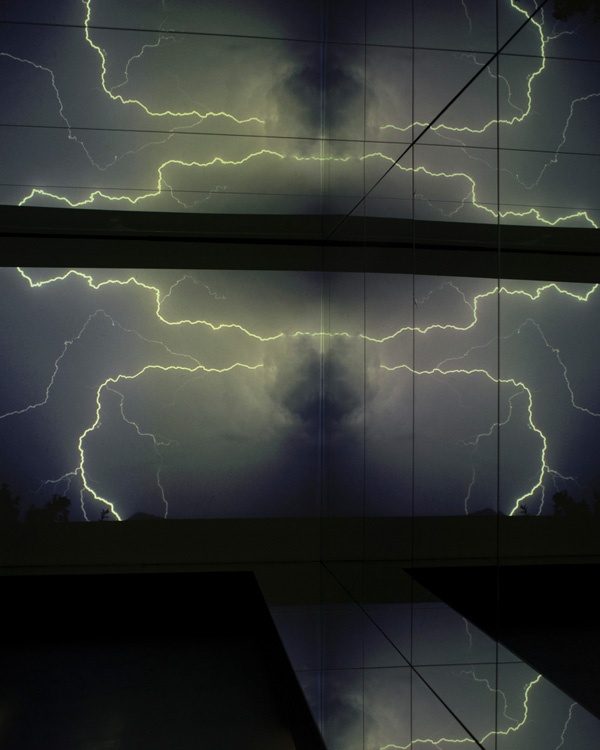
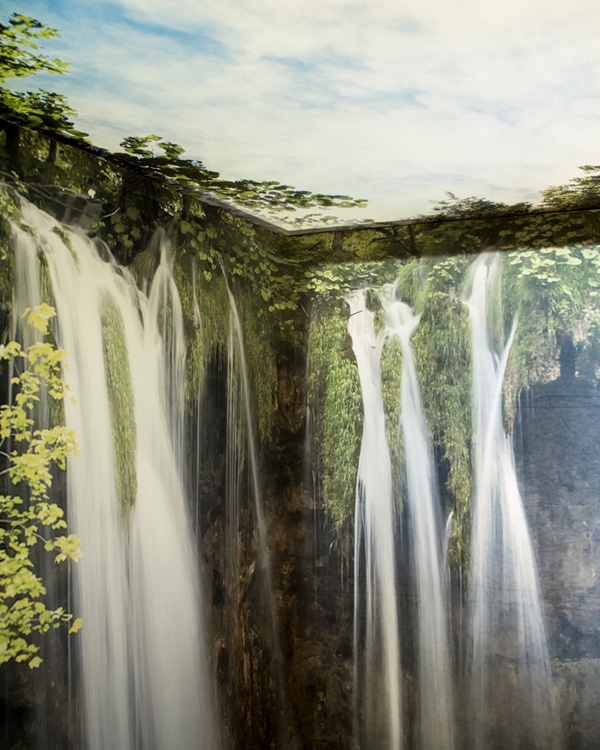
"Waiting for Buyan" in Parallel Platform's exhibition
"Rarely Pure, Never Simple" at Umetnostna galerija Maribor, May 2018:
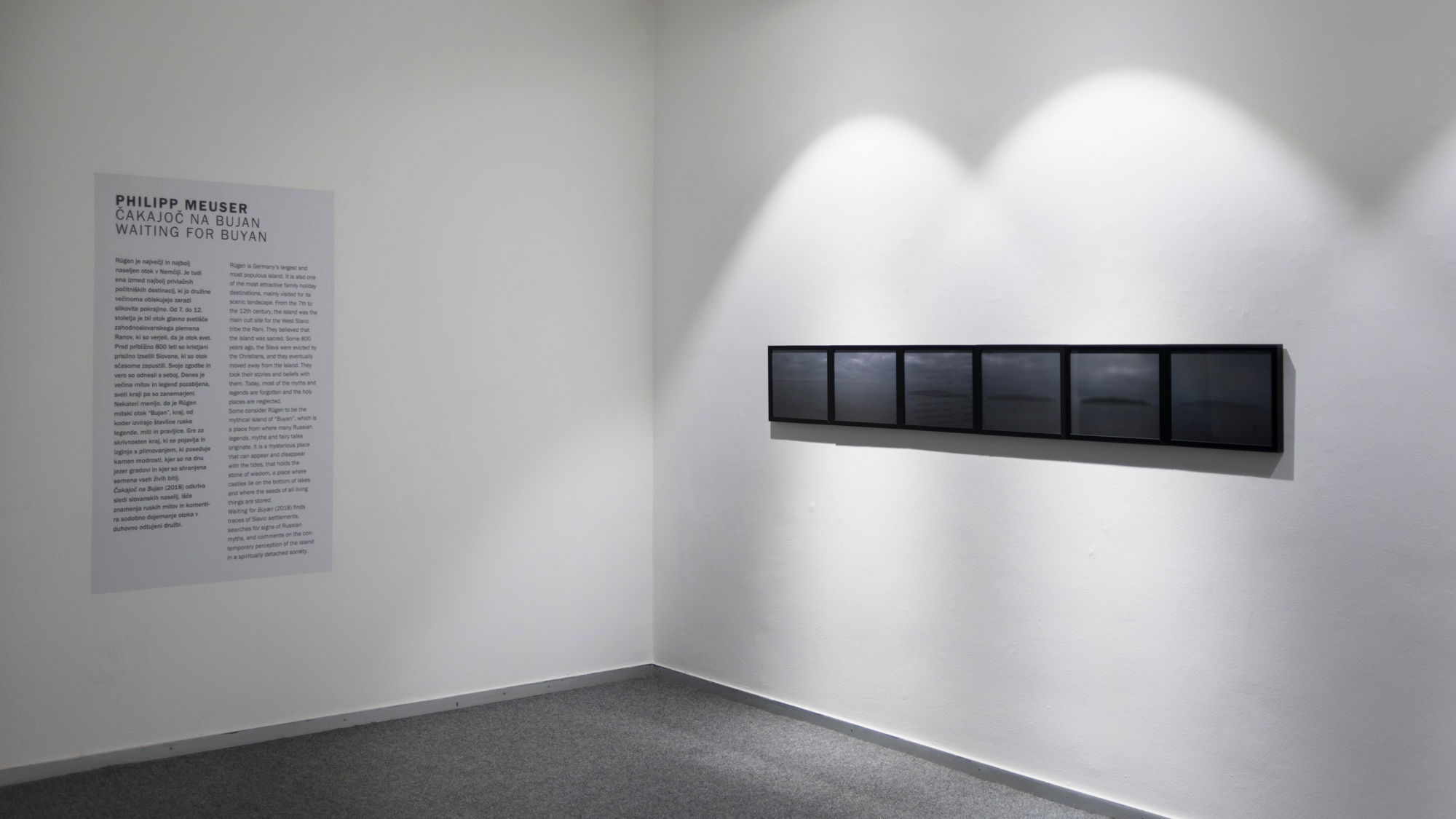
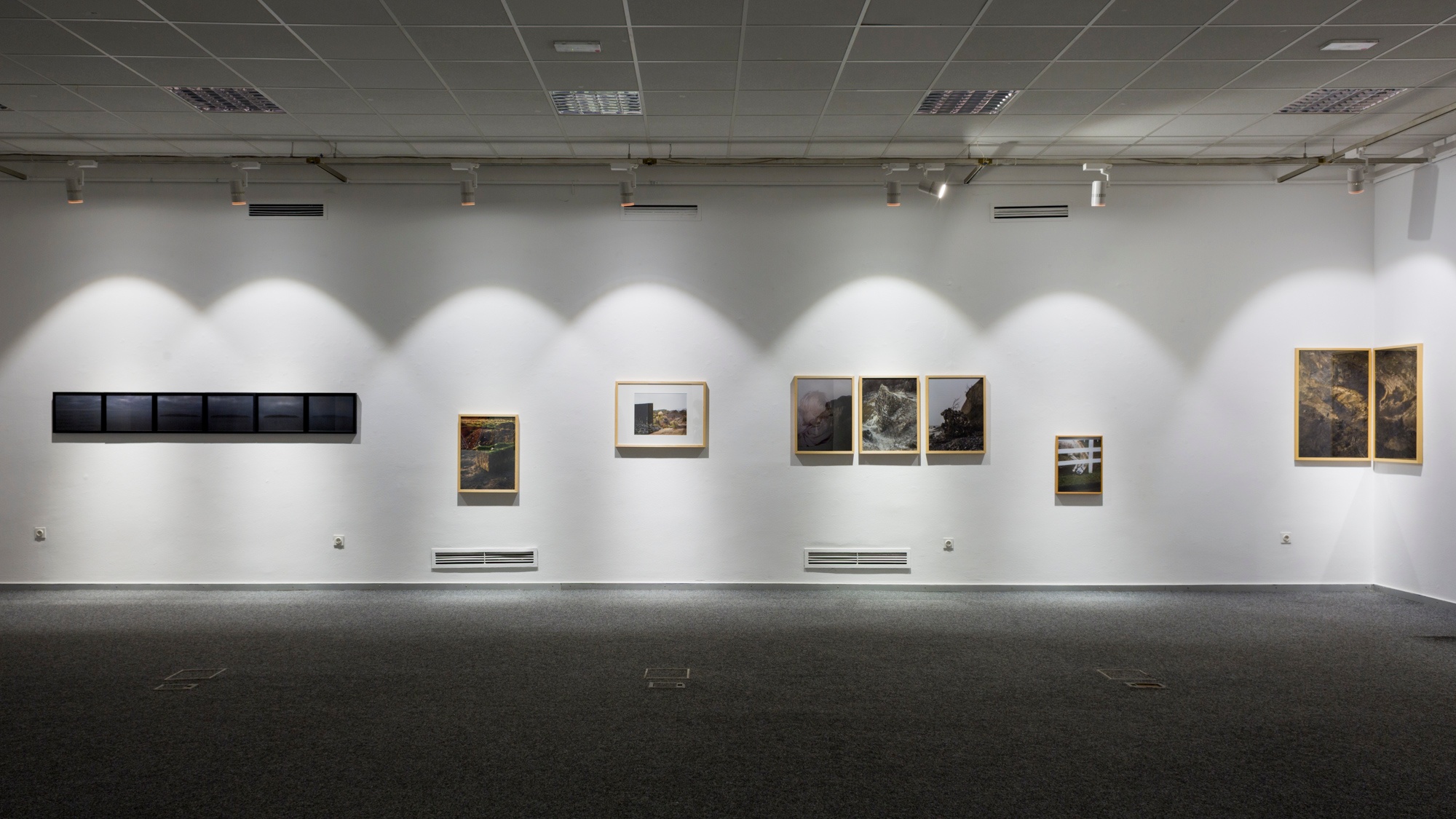
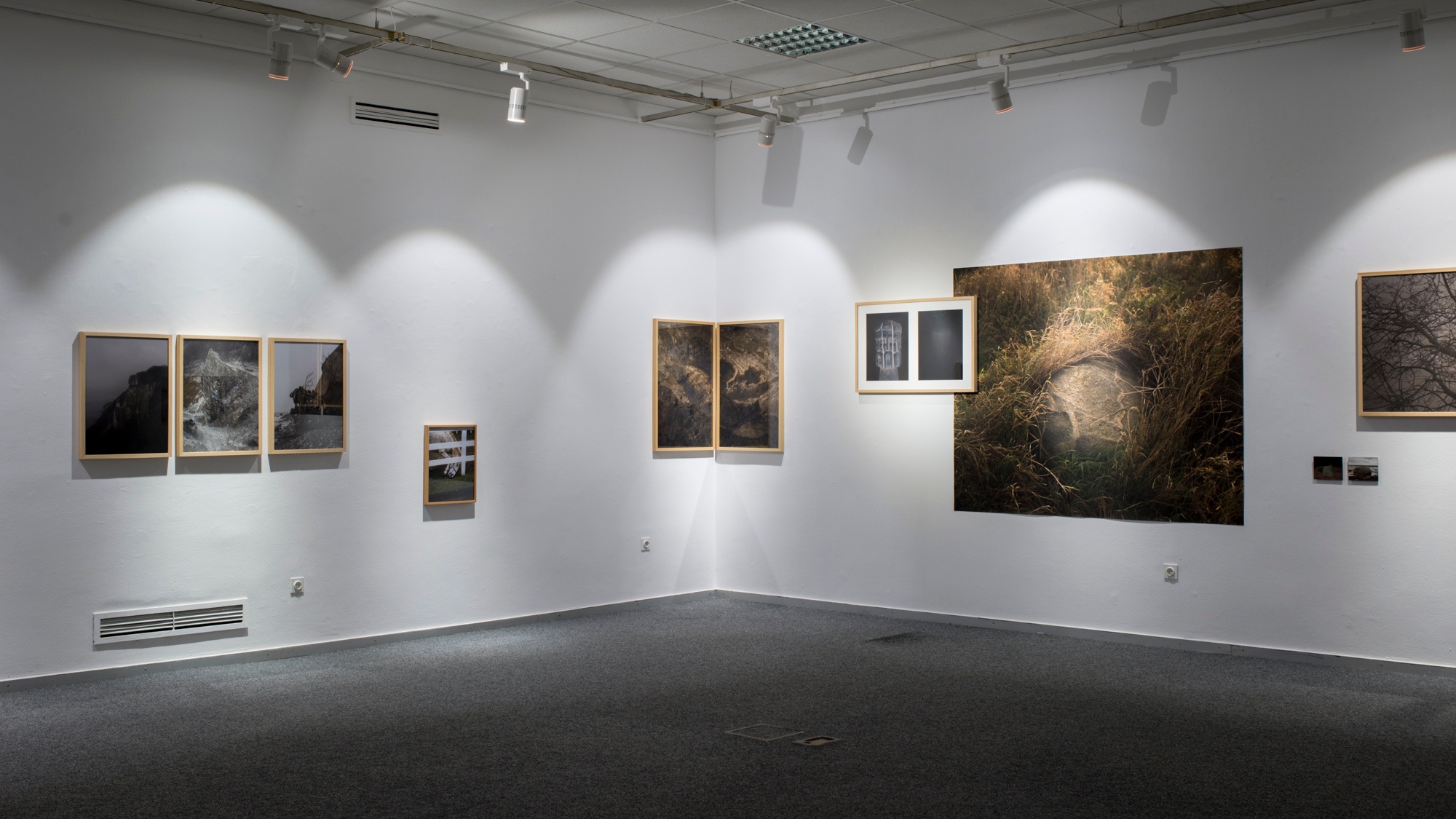
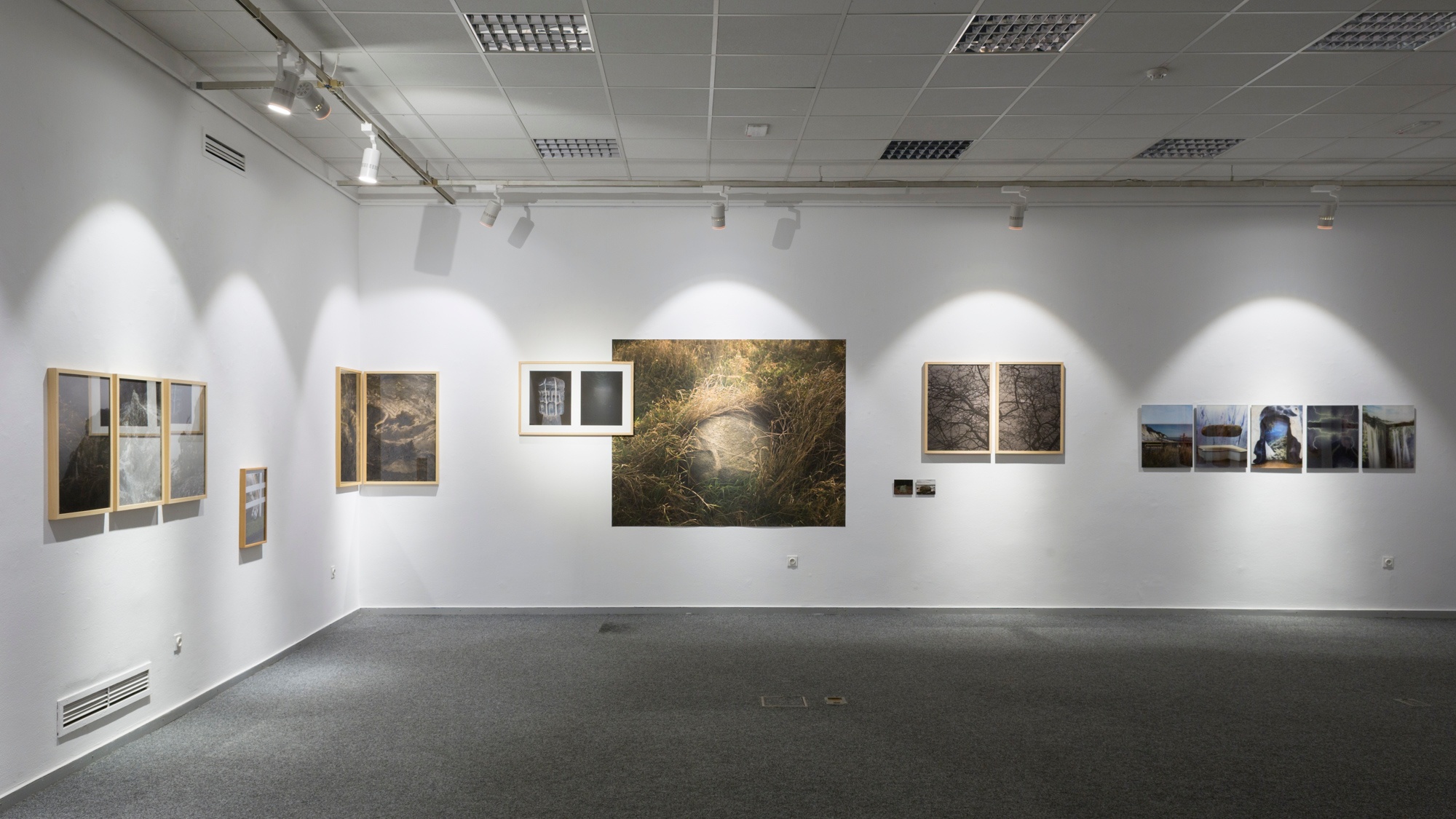
Waiting for Buyan
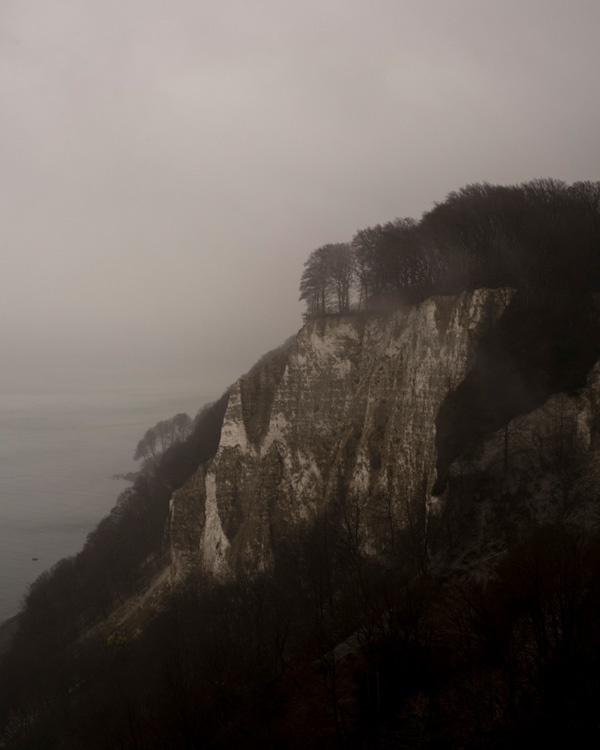
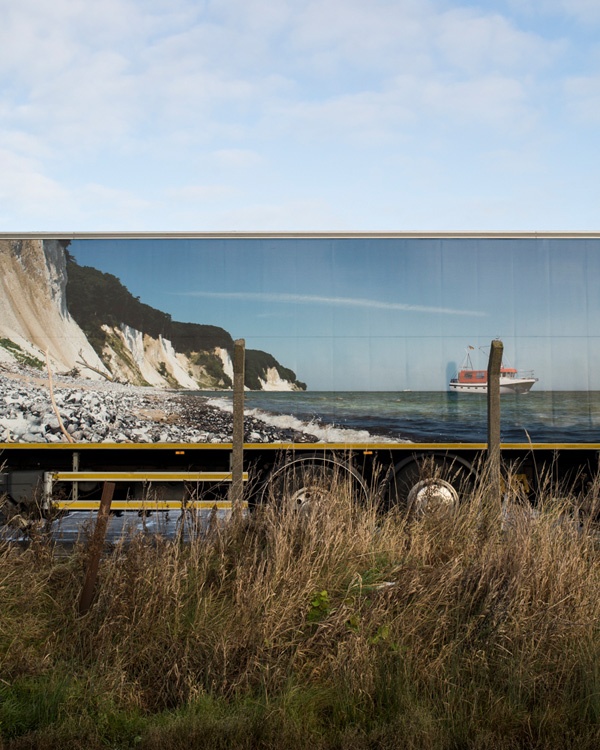
Rügen is Germany's largest and most populous island. It is also one of Germany's most attractive family holiday destinations, visited mainly for its picturesque landscape
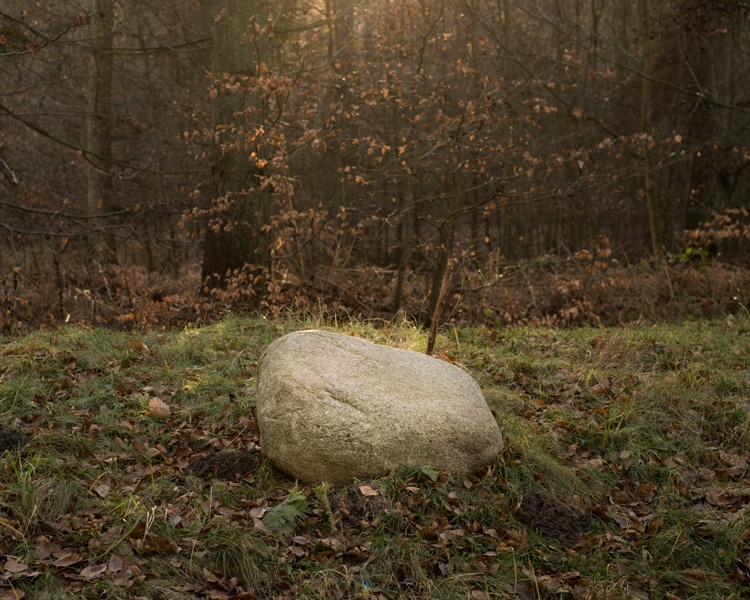
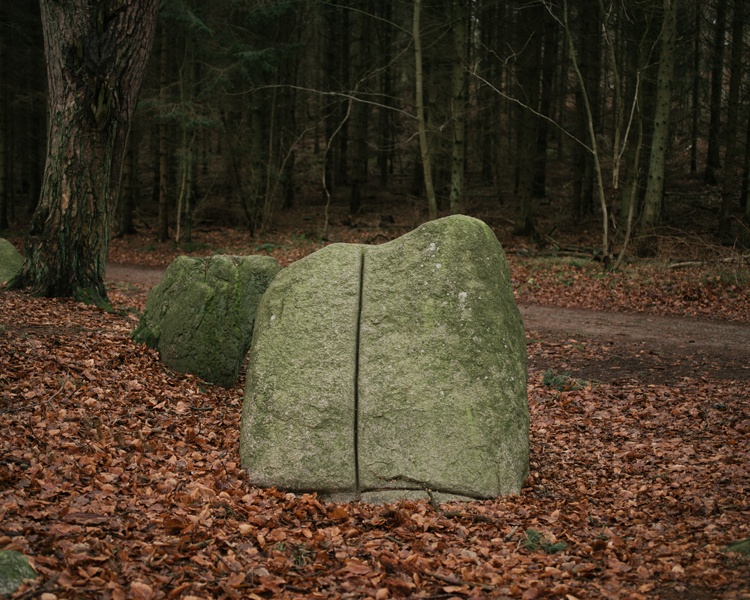
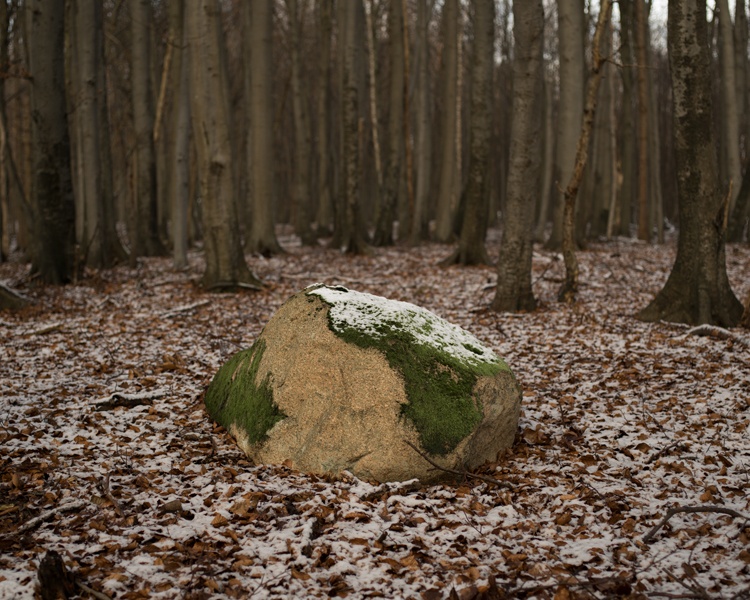
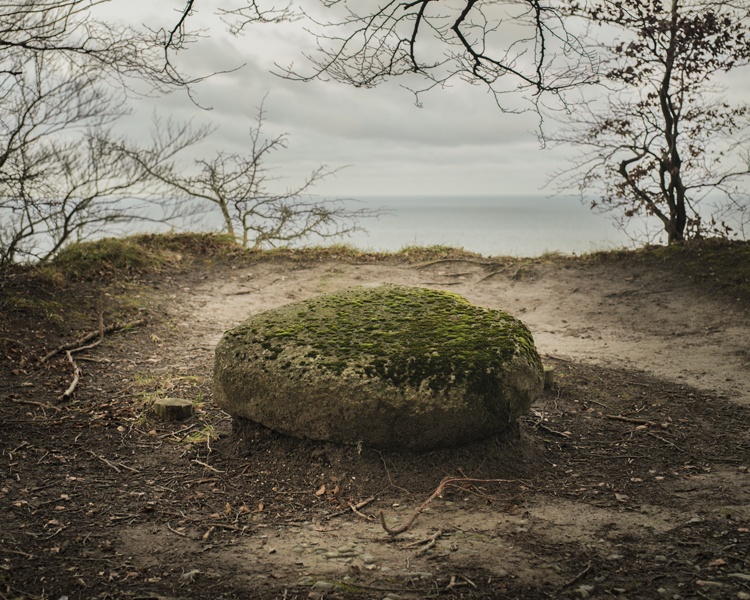
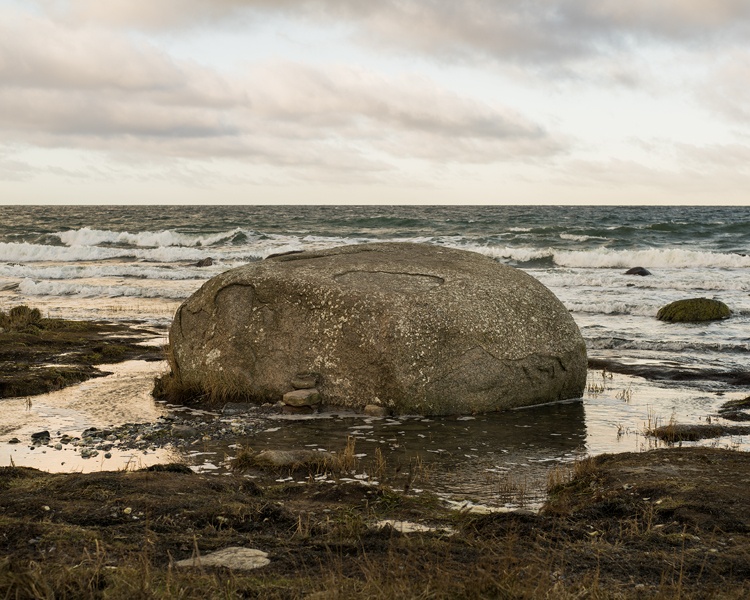
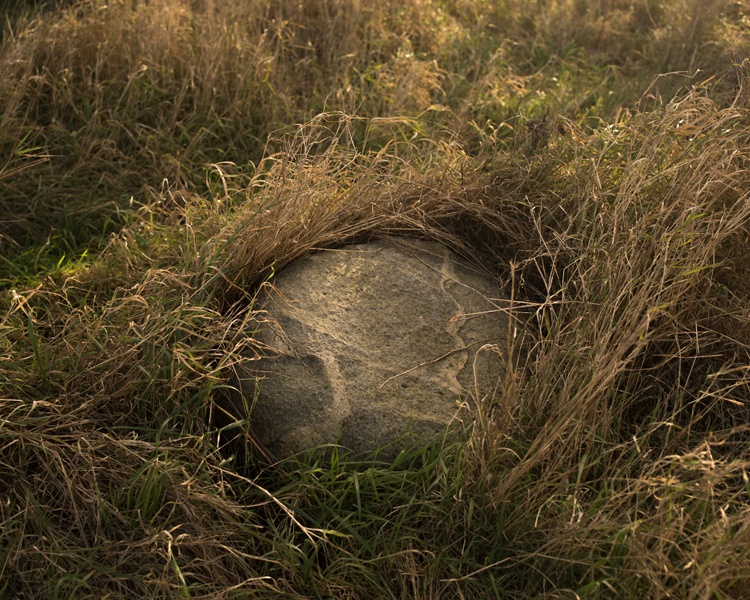
From the 7th to the 12th century, Rügen was the main sacred cult place of the West Slavic tribe "Rani", who were displaced by Christians and took their legends and beliefs with them. Today most of the myths and stories are forgotten and the former holy places are neglected.
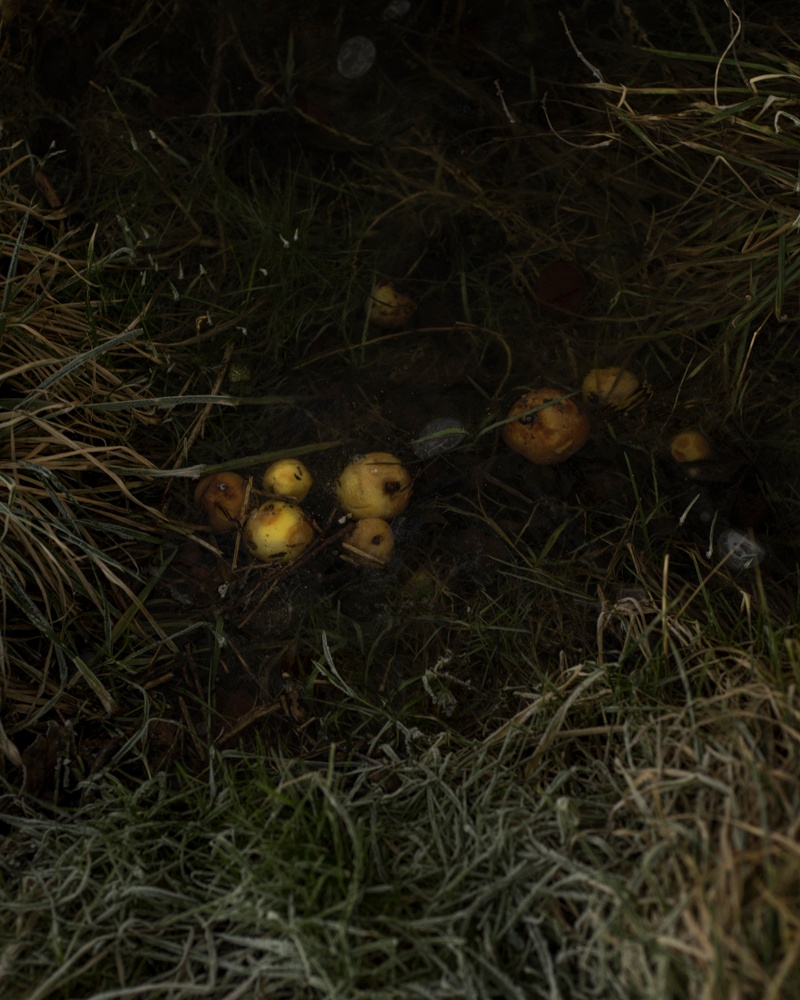
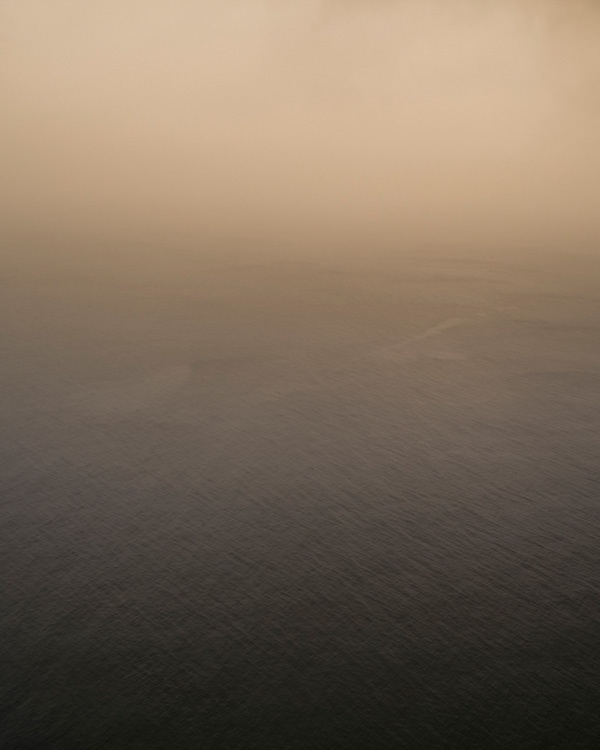
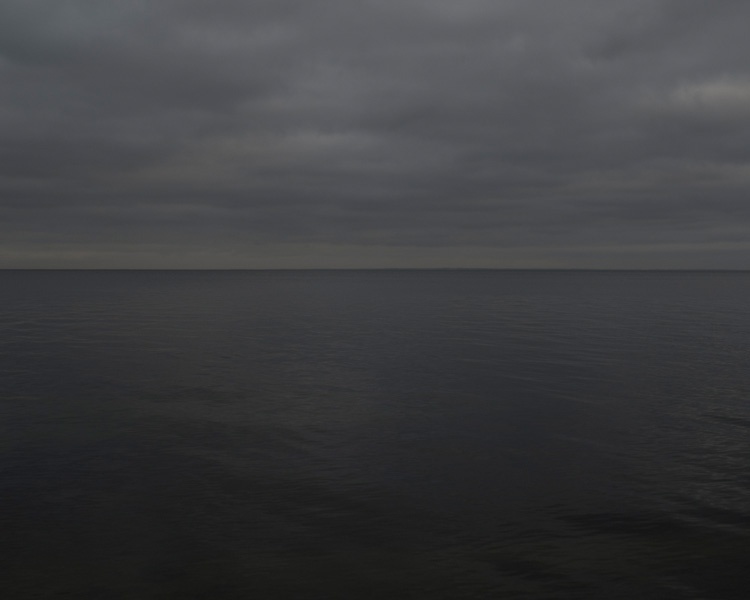
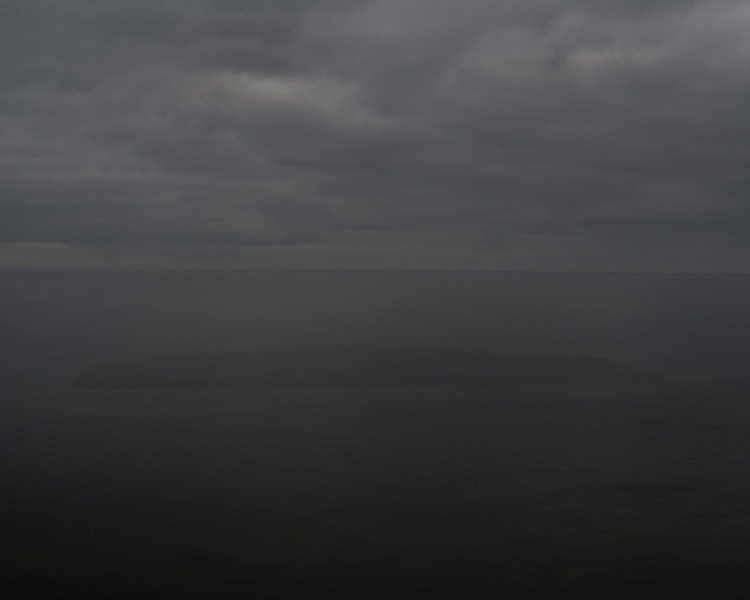
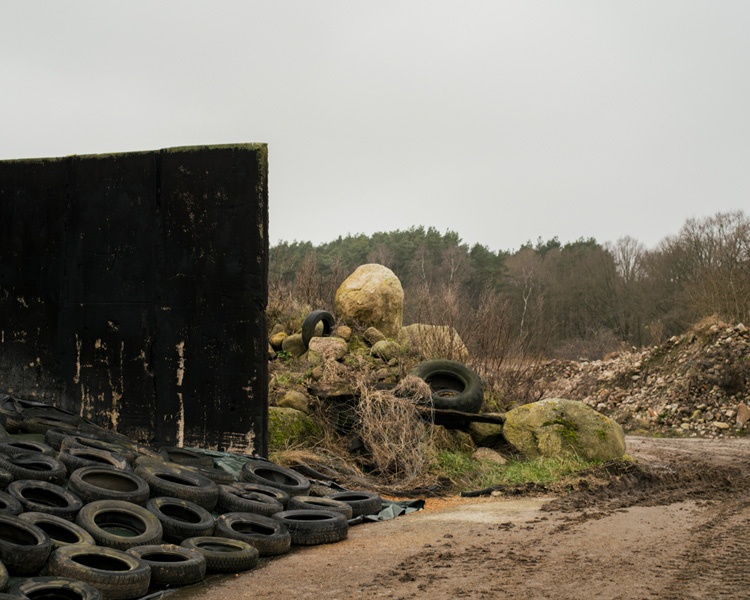
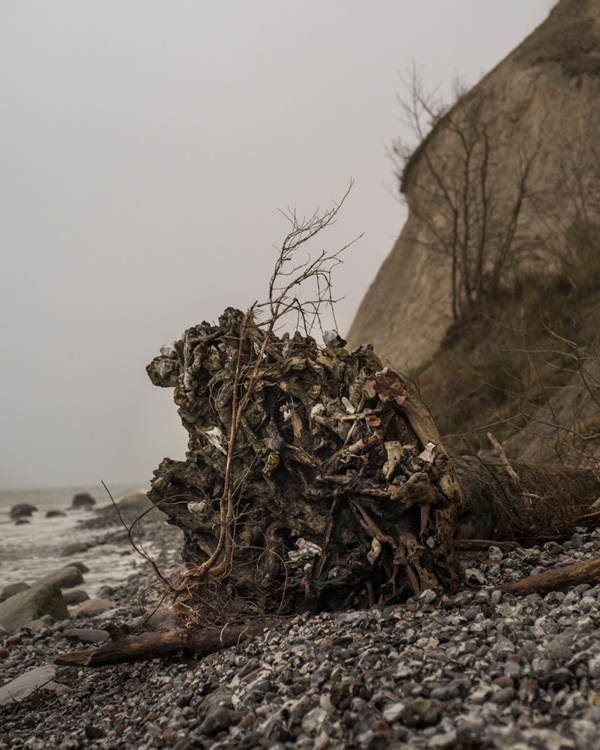
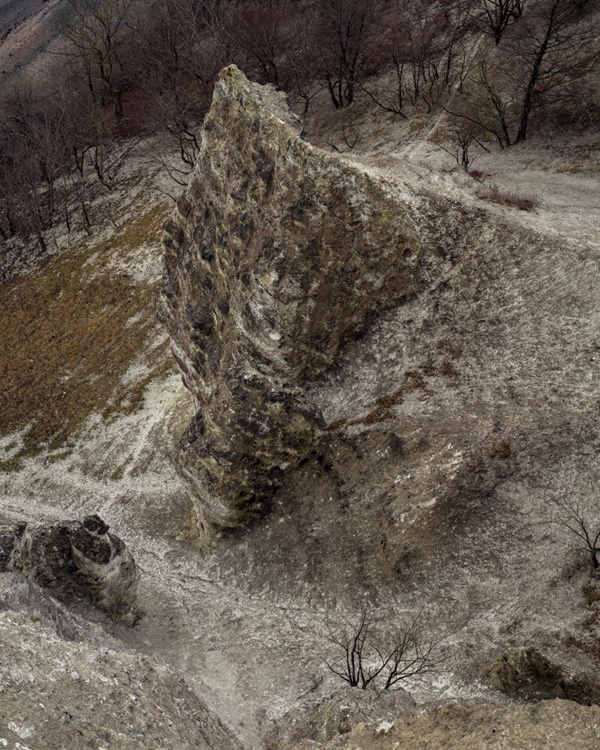
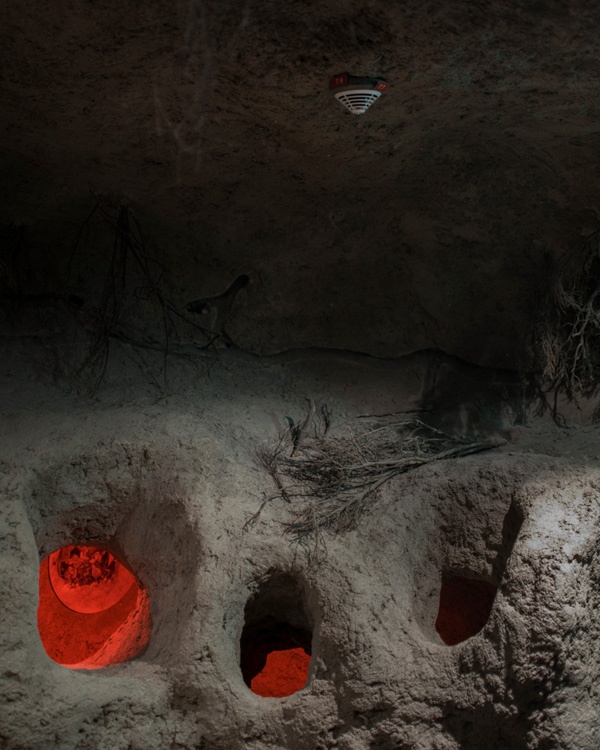
"Waiting for Buyan" is a reconstruction of imaginary reality in a predominantly secular society. Photographs of historical sites prove the existence of Slavic sanctuaries on the island and form the scientific basis of a photographic speculation:
The work compares historic and social changes with changes in nature. The confessional transformation of the island and the supposed naturalness of the landscape are narrated using nature as a historicizing factor.
Some consider Rügen to be the mythical place "Buyan", where many Russian sagas, myths and fairy tales originate. Is there a connection between Slavic times, Russian stories and present use?
The speculative investigations establish a connection to a time from which society has drifted away due to cultural and religious changes and which no longer seems to play a role in the (regional) cultural identity.